
 MENU
MENU

Project Team
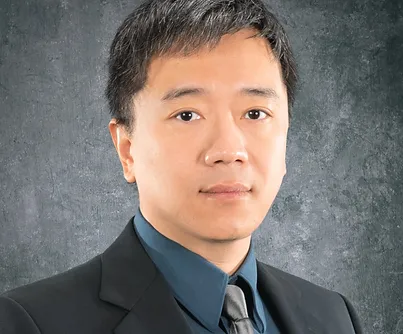
Associate Professor
Bochen Jia
Dr. Bochen Jia is an Associate Professor at the University of
Michigan-Dearborn, and his research focuses on occupational
issues related to worker capacity changes due to modern risk
factors. He is currently working on quantifying the impacts of
exoskeletons on worker performance and safety using digital
human modeling technology. He is particularly interested in
understanding the ability and limitations of human modeling
technology in assessing various human-exoskeleton interactions.
Dr. Jia is currently working as a task-group leader at ASTM
International Standards Organization to lead the efforts of
establishing a practice to guide the proper use of digital human
models in the design and evaluation of exoskeleton devices in
both occupational and nonoccupational settings. Armed with
strong research advantages for the automobile industry in
Michigan, his research efforts also extend to ergonomic issues
associated with occupant behaviors under complex driving
conditions with advanced technologies, such as connected and
autonomous vehicle technologies. He is working on understanding
occupants’ in-vehicle physical activities during prolonged
driving.


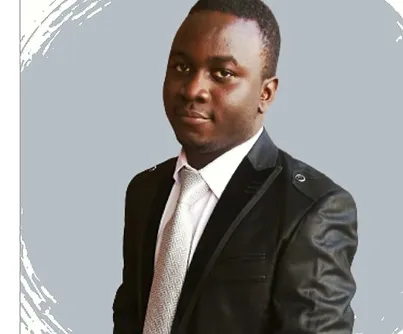
PhD Student
Jesudara Omidokun
At the University of Michigan-Dearborn, Jesudara, a prospective
PhD student, conducts research on computer vision as a tool for
biomechanical analysis. He is currently employed by Hitachi
America as an intern for their connected vehicle R&D division.
He is currently interested in using computer vision techniques
to examine various human-exoskeleton interactions in order to
comprehend the potential and constraints of human modeling
technology.
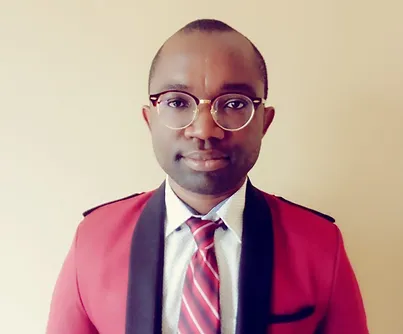
PhD Student
Darlington Egeonu
Darlington Egeonu is presently a doctoral student in Industrial
and Manufacturing Systems Engineering at the University of
Michigan Dearborn. His research interests center on employing
digital human modeling and computer vision technology to
simulate the application of exoskeleton devices, which offer
support for injured and recovering workers. Additionally, his
research extends to the field of ergonomic risk assessment,
where he is developing a comprehensive strategy for the timely
and non- invasive evaluation of physical workloads in the
workplace, utilizing AI technology.